Table of Contents
Hiring a recruiter isn’t just about adding another person to your HR team — it directly shapes the quality of every hire you make in the future. Even if your company has a great brand and a solid hiring strategy, the whole system can break down if the recruiter isn’t skilled enough. That’s why choosing the right questions to ask during HR recruiter interviews becomes the foundation of a strong hiring process.
Think of what happened with a fast-growing fintech company in Pune. They kept missing hiring timelines and initially blamed the talent market. Later, they realised the real issue was simple: their recruiter wasn’t screening candidates properly. Once they redesigned their interview process and started using clearer, more focused questions, the entire hiring flow improved — faster shortlisting, better candidate quality and fewer last-minute surprises.
In this blog, you’ll learn how to ask meaningful, practical HR recruiter interview questions that actually reveal a recruiter’s capabilities — how they think, communicate, prioritise and handle tough situations. Consider this your step-by-step guide to strengthening your hiring engine by first hiring the right recruiter.
Why the right questions matter
Hiring the wrong recruiter can ripple across your organization — confusing candidates, wasting team time, and causing lost offers. When you ask the right questions, you raise the bar for candidate sourcing, screening and employer branding.
A well-asked question can turn a vague résumé into a clear proxy for real HR Recruiter Skills. For example, asking how a recruiter handled a difficult candidate scenario reveals judgment, communication and follow-through — qualities beyond credentials.
If you reduce candidate dropouts by just 20% or cut screening time by half, that can translate to weeks saved per hire — a dramatic effect on cost per hire and time-to-fill. One well-framed question can save dozens of hours.
Good questions are not just formalities — they shape the quality, efficiency and consistency of your entire hiring process.
How to use this list: timing & scoring
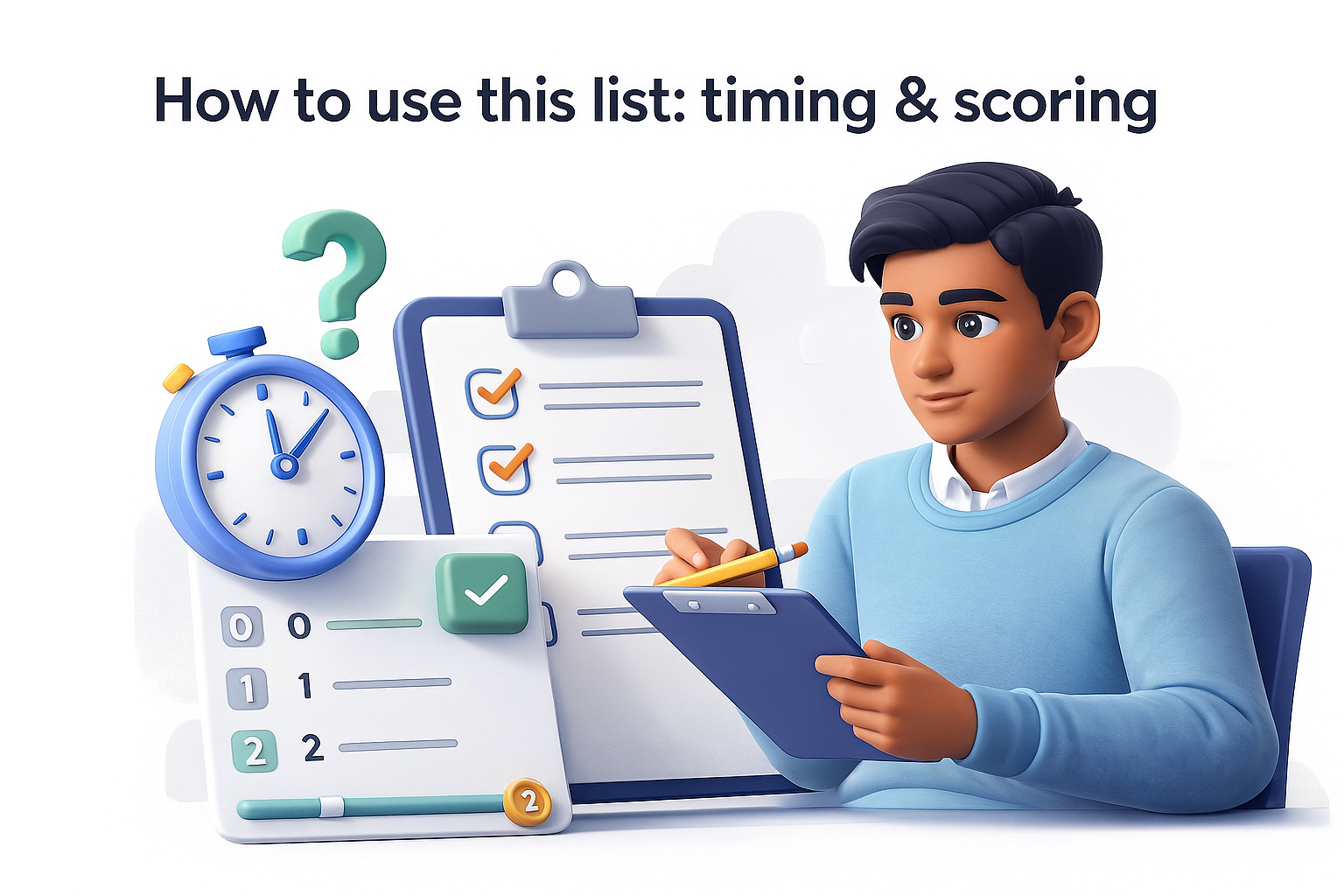
Every question below belongs in a particular stage of your hiring process. Use this table:
| Interview Stage | Who Should Ask | Purpose / Outcome |
| Screening Round (15-min) | Recruiter or Sourcer | Quick filter: communication, role understanding, motivation |
| Technical Recruiter Round | Senior Recruiter / Recruitment Lead | Assess sourcing, screening skills, and tools knowledge |
| Strategic / Hiring Manager Round | Hiring Manager / HR Head | Evaluate strategic thinking, stakeholder management, and culture-fit |
| Final Culture & Competency Round | Hiring Manager / HR Business Partner | Deep dive into values, ethics, behavioural traits |
Scoring rubric
- 0 = Poor / Unsatisfactory — fails to meet expectations
- 1 = Acceptable / Average — meets basic requirements
- 2 = Excellent — strong answer, demonstrates clear thinking and examples
Suggested pass threshold: average ≥ 1.2 across all questions, with no critical question scored 0.
Use this rubric consistently — and ideally anonymously — to reduce bias and create a fair hiring process.
Takeaway: align questions to the stage and use scoring to compare candidates objectively.
The Question Bank
Screening Interview Questions
Why? These help you quickly gauge clarity, communication, motivation, and basic fit. Use in the first 10–15 minute call.
Sample Questions:
- “Why are you interested in working as an HR recruiter with us?”
- Why you’re asking: Understand the candidate’s motivation and clarity of role.
- Ideal answer:
- Candidate communicates genuine interest in recruiting, not just any HR job.
- Mentions aspects of your company or hiring needs.
- Shows knowledge of what a recruiter’s role involves (sourcing, screening, coordination).
- Candidate communicates genuine interest in recruiting, not just any HR job.
- Red flags:
- Vague or generic “I need a job” answers.
- No understanding of recruiter responsibilities.
- Vague or generic “I need a job” answers.
- Follow-up (if vague): “What did you find interesting about our company that appeals to you?”
- Why you’re asking: Understand the candidate’s motivation and clarity of role.
- “Which recruitment methods have you used — job portals, social media, referrals, etc.?”
- Why: To explore familiarity with sourcing channels.
- Ideal: Lists 2–3 channels, gives quick example (e.g., “Used LinkedIn for tech roles, employee referral for admin.”)
- Red flags: Only mentions one channel, no examples.
- Follow-up: “Which method do you find most effective and why?”
- Why: To explore familiarity with sourcing channels.
- “Tell me about a difficult role you helped fill and how you managed it.”
- Why: Checks problem-solving, persistence, and communication skills.
- Ideal: Demonstrates structure (challenge → action → result), communicates clear outcome (e.g. hired within time, quality).
- Red flags: No structure, no clarity, or no result.
- Follow-up: “What would you do differently next time?”
- Why: Checks problem-solving, persistence, and communication skills.
- “What salary ranges or notice periods can you work with?”
- Why: Confirm expectations and availability.
- Ideal: Honest, realistic answer, aligns with market/company.
- Red flags: Unrealistic demands, evasive behaviour.
- Follow-up: “Ifthe current notice is longer, when can you realistically join?”
- Why: Confirm expectations and availability.
- “Are you familiar with ATS or recruitment tools (if yes, which)?”
- Why: Basic tech-savviness check.
- Ideal: Mentions one or more tools (e.g. ATS, spreadsheets, job-boards).
- Red flags: No tech awareness or only manual methods.
- Follow-up: “Which tool did you like and why?”
- Why: Basic tech-savviness check.
- “What kind of roles have you recruited for? (IT, non-IT, management, entry-level)”
- Why: Understand breadth or specialisation.
- Ideal: Gives a clear breakdown — e.g. “Mostly IT and entry-level; handled 5 managerial roles.”
- Red flags: Doesn’t know which roles, or only one narrow type, despite long experience.
- Follow-up: “Which role type do you enjoy most and why?”
- Why: Understand breadth or specialisation.
Takeaway: screening questions help weed out misfits early — saving time for both sides.
Technical Recruiter Interview Questions
Why? These include checking sourcing strategy, knowledge of tools, screening expertise, and domain-specific understanding.
- “Describe your sourcing strategy for high-demand roles (e.g. niche IT roles). What channels, messaging, and approach do you use?”
- Why: To examine creativity, understanding of the market, and outreach skills.
- Ideal: Multi-channel approach (job portals + LinkedIn + network + referrals), personalisation in messaging, proactive outreach.
- Red flags: Over-reliance on one channel; no follow-up or network building.
- Follow-up: “How many quality candidates did you usually get per 10 contacts?”
- Why: To examine creativity, understanding of the market, and outreach skills.
- “How do you screen a candidate’s CV/resume to decide whether to proceed to interview?”
- Why: Checks ability to evaluate a resume, spot red flags or missing info.
- Ideal: Looks at role relevance, skills match, employment gaps, consistency, and clarity.
- Red flags: Reading only job titles, ignoring skill-set or role history.
- Follow-up: “What was a CV you rejected and why?”
- Why: Checks ability to evaluate a resume, spot red flags or missing info.
- “How do you manage candidate pipelines and follow-ups (especially for passive candidates)?”
- Why: Measures ability to handle long-term sourcing and nurture candidates.
- Ideal: Maintains database / ATS, sets reminders, periodic check-ins, and builds relationships.
- Red flags: One-time outreach, no nurture, lost track of candidates.
- Follow-up: “What’s your typical response rate for passive outreach?”
- Why: Measures ability to handle long-term sourcing and nurture candidates.
- “How do you ensure sourcing and screening stays compliant with labour laws, data privacy and company policy?”
- Why: Compliance and professionalism are non-negotiable.
- Ideal: Mentions basic privacy practices, transparent communication, and consent where needed.
- Red flags: Ignores compliance, no awareness.
- Follow-up: “What steps do you take to anonymise sensitive data?”
- Why: Compliance and professionalism are non-negotiable.
- “What metrics do you track to measure your recruiting effectiveness?”
- Why: Understand the candidate’s data-driven mindset.
- Ideal: Mentions metrics such as time-to-fill, source-to-hire ratio, and candidate drop-off rate.
- Red flags: No metric awareness, guesses.
- Follow-up: “Which metric do you use to improve your own process over time?”
- Why: Understand the candidate’s data-driven mindset.
- “How familiar are you with technical roles you will recruit for (if relevant)? Give an example.”
- Why: To check domain knowledge — critical for technical recruiter roles.
- Ideal: Explains role requirement, technical terms, and suggests screening criteria.
- Red flags: Vague, no understanding.
- Follow-up: “How would you screen a software engineer differently from a non-IT role?”
- Why: To check domain knowledge — critical for technical recruiter roles.
Takeaway: these technical recruiter interview questions help you assess real recruiting muscle — not just resume reading.
Strategic Interview Questions

Why? These reveal how the recruiter thinks about hiring at scale: strategy, stakeholder management, employer brand, and candidate experience.
- “How would you design a recruitment process for our company — from sourcing to onboarding?”
- Why: Tests strategic thinking, end-to-end understanding.
- Ideal: Describes sourcing, screening, interviews, offer negotiation, onboarding, and feedback loop.
- Red flags: Only talking about CV screening or job portals.
- Follow-up: “How would you measure the success of that process after 6 months?”
- Why: Tests strategic thinking, end-to-end understanding.
- “How do you build and maintain relationships with hiring managers and stakeholders?”
- Why: Hiring depends on collaboration and clear communication.
- Ideal: Regular catch-ups, clear touchpoints, transparent status updates.
- Red flags: Reactive, disorganised communication.
- Follow-up: “How often would you suggest status reports to stakeholders?”
- Why: Hiring depends on collaboration and clear communication.
- “What’s your approach to employer branding and candidate experience?”
- Why: Candidate perception often begins with recruiter interaction.
- Ideal: Polite communication, timely updates, feedback even after rejections, transparent process.
- Red flags: “We only care about filling positions.”
- Follow-up: “How would you handle a candidate who complained about long delays?”
- Why: Candidate perception often begins with recruiter interaction.
- “How would you handle conflicting priorities — for example, urgent hiring vs limited budget?”
- Why: Real-world planning and prioritisation matter.
- Ideal: Discuss trade-offs, suggest phased hiring, internal referrals, or re-evaluate job specs.
- Red flags: Panic or unrealistic promises.
- Follow-up: “What would you ask the hiring manager first?”
- Why: Real-world planning and prioritisation matter.
- “How do you plan to stay updated about sourcing trends, labour market changes, and candidate expectations?”
- Why: Ensures the recruiter remains proactive and modern.
- Ideal: Mentions reading reports, attending webinars, networking, and refreshing sourcing channels.
- Red flags: No plan, no interest.
- Follow-up: “Can you give an example of a recent shift you noticed in the candidate market?”
- Why: Ensures the recruiter remains proactive and modern.
- “What’s your long-term view on the recruitment process — how can we improve over the next 6–12 months?”
- Why: Checks the candidate’s strategic mindset and commitment to continuous improvement.
- Ideal: Suggest improvements: employer branding, referral programs, candidate-feedback loops.
- Red flags: No vision, no suggestions.
- Follow-up: “Which change would you implement first and why?”
- Why: Checks the candidate’s strategic mindset and commitment to continuous improvement.
Takeaway: strategic interview questions help you find a recruiter who thinks ahead — not just fills requisitions.
Behavioural & Culture-fit Questions
- “Describe a time when a candidate ghosted after offer acceptance. How did you respond?”
- Why: Evaluates professionalism, communication, and follow-up.
- Ideal: Acknowledges the issue, maintains candidate engagement, tries to salvage or quickly sources fresh candidates.
- Red flags: Blames the candidate, shows frustration or ignores follow-up.
- Follow-up: “Would you change anything next time?”
- Why: Evaluates professionalism, communication, and follow-up.
- “Have you ever had to deliver bad news to a candidate (e.g., rejection or delay)? How did you handle it?”
- Why: Tests empathy, communication, and brand representation.
- Ideal: Timely, honest, respectful communication; maintain goodwill.
- Red flags: Avoiding tough conversations, vague or insensitive responses.
- Follow-up: “How quickly did you respond (within hours, days)?”
- Why: Tests empathy, communication, and brand representation.
- “How do you prioritise roles when you have multiple open positions?”
- Why: Checks organisational skills and prioritisation.
- Ideal: Uses urgency, business impact, and job level to prioritise.
- Red flags: Random order, neglects communication.
- Follow-up: “Would you push a less urgent role to the backlog or handle parallelly?”
- Why: Checks organisational skills and prioritisation.
- “What values do you think are non-negotiable for a recruiter in our company?”
- Why: Understand alignment with company culture.
- Ideal: Mentions integrity, transparency, respect, candidate-centric mindset.
- Red flags: Buzzwords without depth.
- Follow-up: “Which value matters most to you and why?”
- Why: Understand alignment with company culture.
Takeaway: culture-fit questions reveal how a recruiter behaves under pressure — and whether they’ll represent your company well.
Role-Specific and Competency Questions
Customise depending on your company’s vertical (IT, sales, non-IT, campus hiring, leadership hiring). Example:
- “For an IT recruiter role: How would you screen a candidate for a backend developer — what skills and red flags would you look for?”
- Why: To see the domain-specific screening judgment.
- Ideal: Mentions relevant technologies, coding standards, experience, and soft skills.
- Red flags: Only looks at dthe egree or irrelevant details.
- Follow-up: “What questions would you ask in a short pre-screen call with such a candidate?”
- Why: To see the domain-specific screening judgment.
- “For a campus hiring recruiter: How would you plan bulk hiring for 50 freshers in 3 months?”
- Why: Test planning, outreach, coordination and scaling skills.
- Ideal: Outlines sourcing plan (campus drives, partnerships), scheduling, selection criteria, and follow-ups.
- Red flags: Vague plan, no timeline or structure.
- Follow-up: “How would you track progress and measure success?”
- Why: Test planning, outreach, coordination and scaling skills.
Takeaway: Role-specific questions help you evaluate the recruiter’s ability to deliver in the context you need.
Sample script for a 15-minute screening call
Intro (1 min): “Hi [Name], thanks for taking out time today. I am [Your Name] from [Company]. This call will be quick — 4–5 minutes about your background and suitability, and 1–2 mins for your questions.”
1. “Why are you interested in working as an HR recruiter with us?” (1–2 mins)
2. “Which recruitment methods have you used — job portals, social media, referrals, etc.?” (1 min)
3. “Tell me about a difficult role you helped fill and how you managed it.” (2 mins)
4. “What kind of roles have you recruited for — IT, non-IT, campus, etc.?” (1 min)
5. “What salary ranges or notice periods can you work with?” (1 min)
6. “Are you familiar with any ATS or recruitment tools?” (1 min)
Close (1 min): Thank them, explain next steps (“If you clear this round, we’ll schedule a detailed interview”).
Timing guidance: roughly 1–2 minutes per question; total ~15 minutes including intro and close.
Takeaway: a short scripted call helps standardise screening, ensuring you only move forward with serious, minimally qualified candidates.
Evaluation matrix and scorecard template
| Candidate name | Role | Question | Score (0–2) | Notes | Overall pass/fail | Next step |
How to use: After each interview, score each question immediately. Maintain notes for context (e.g., “gave example of bulk hiring campaign”). After all questions, calculate average score; if average ≥ 1.2 and no critical question scored 0 → pass. This method reduces bias, keeps comparisons objective, and encourages consistency across different interview rounds.
A clear and simple hiring scorecard ensures fairness and eliminates “gut-feeling” decisions — making recruitment strategies smarter and more effective.
Common mistakes recruiters make (and how to avoid them)
- Asking too many closed yes/no questions → leads to superficial answers. Fix: Use open-ended questions that prompt explanations.
- Skipping follow-up probes when the answer is vague → you lose depth. Fix: Always use at least one follow-up per open question.
- Not calibrating with the hiring manager before the interview → divergent expectations lead to mismatches. Fix: Schedule a quick alignment call with hiring manager to set must-have criteria.
- No structured scoring — relying on gut feeling → prone to bias and inconsistency. Fix: Employ the scorecard template consistently.
- Focusing only on resume and experience, not on process or mindset → may hire someone who fills roles, but doesn’t improve hiring quality. Fix: Include strategic and behavioural questions.
- Not revisiting and refining questions over time → process becomes stale. Fix: Review performance quarterly and update the question bank based on learnings.
Avoid these pitfalls by sticking to open questions, follow-ups, alignment and structure.
Final checklist & next steps
- Share this post or question bank with your HR team.
- Adopt the 15-minute screening script for all new recruiter hires.
- Copy the evaluation matrix into your ATS or Google Sheets.
- Schedule a calibration session with hiring managers to align expectations.
- Review and refine these questions every 3–6 months based on results.
Call to action
Want to speed up your hiring process and hire better-quality recruiters now?
Book a demo with our AIInterview platform (affordable ai recruiting tool) to see how you can automate screening, track metrics, and improve recruiter efficiency — in under 15 minutes.